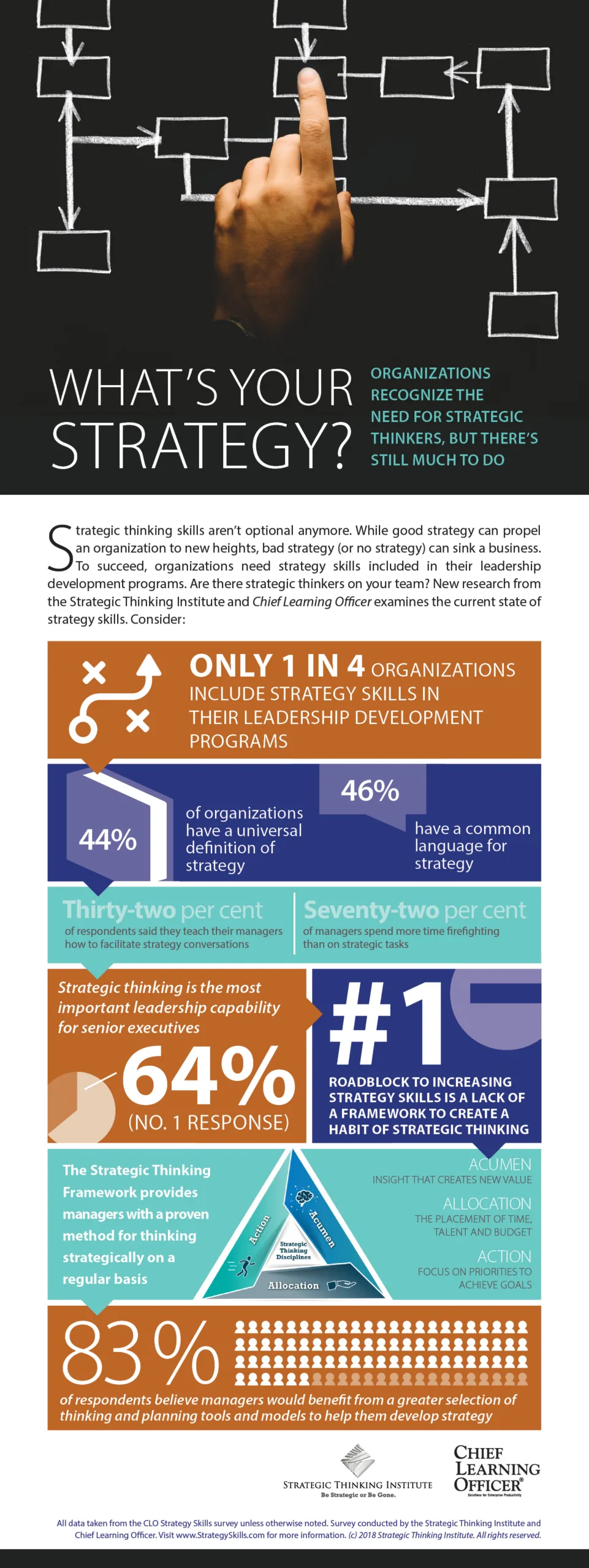
Are you getting better at what you do? Unless you’re actively practicing the key skill sets involved in your work activities, the answer is “no.” Research with more than 3,000 human resource executives showed that senior executives receive the least amount of training, and 41 percent receive no training and development at all. It’s ironic that as a leader assumes more responsibility and makes decisions that have a much greater impact on the overall business, they’re given less practice and training.
Practice is defined as “to perform or work at repeatedly so as to become proficient; to train by repeated exercises.” While we most often see the applicability of practice to sports, music, and hobbies, the reality is that practice is also integral to success in intellectual pursuits. United States Supreme Court Chief Justice John Roberts Jr.’s intellectual rigor and success in his field are due in large part to his willingness and discipline to practice.
Writer Roger Parloff describes Chief Justice Robert’s practice habits: “When Roberts was preparing an oral argument, he would write down—usually longhand, using a pen and a legal pad—hundreds of questions that he might conceivably be asked. He’d ponder and refine the answers in his mind. Then he’d write the questions on flash cards, shuffle them, and test himself, so he’d be prepared to answer any question in any order.” Chief Justice Roberts explained this approach with oral advocates in a speech: “The advocate . . . must meticulously prepare, analyze, and rehearse answers to hundreds of questions, questions that in all likelihood will actually never be asked by the court.”
High performers in intellectual fields generally don’t even consider practicing because of the very fact that they are high performers in an intellectual field. Understanding that practicing the behaviors critical to one’s role is important at any level of the organization opens up the potential for dramatic individual and organizational growth.
Are you practicing to be more strategic? How much time do you practice developing strategy-specific skills such as innovative thinking, decision making, problem solving, resource allocation, etc.? The attached infographic shares more detail on how you and your organization compare with others. How do you practice to become more strategic?